
A Assemble
Assembling support for a safety team should be handled cautiously. While many, if not most, will support this course, some are hesitant, or even opposed. The call to form a church safety team, or Faith Guards, is indeed a profound step toward ensuring that every worshiper can gather in peace, free from fear. But some have a fear of the team itself. When bringing this all forward, you may experience a lot of enthusiastic support, but don’t get carried away. On the other hand, you may encounter a lot of resistance, but don’t get discouraged. Remain humble and stress the desire to be practically invisible; that the goal is to ensure everyone can worship and enjoy their time together, comforted in the knowledge, or maybe even blissfully unaware that someone is there to handle any issues that arise.
At Faith Guards, our motto, ‘Stand watch; stand together’, captures the heart of this mission. It’s about uniting us to protect our flock while sharing our collective knowledge across all faiths and denominations to strengthen our collective resilience. Within the S.A.F.E.T.Y. framework, the second step, A for Assemble, is where the vision of safety takes shape. Assembling support means gathering like-minded individuals, securing church leadership approval, and rallying the congregation’s backing to form a security team rooted in service and humility.
The Need for a Safety Team
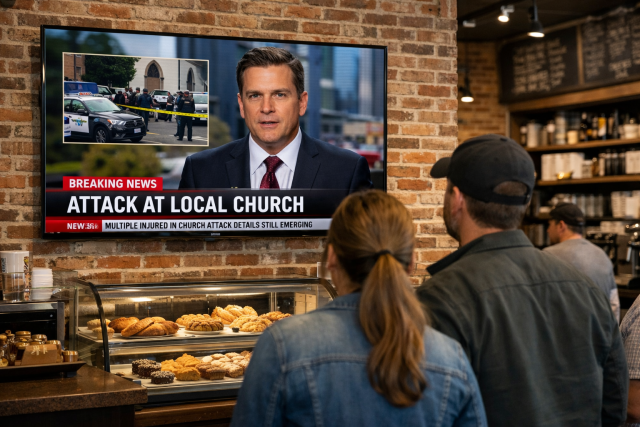
The necessity of a church safety team stems from a sobering reality: places of worship, though sacred, are not immune to the dangers of the world. From rare but devastating incidents like shootings to everyday occurrences like medical emergencies or property damage, the risks are varied and real. Estimates suggest there are approximately 350,000 places of worship in the United States, encompassing all faiths and denominations. As I’ve mentioned previously, data over the years from sources like the Gun Violence Archive and Faith Based Security Network indicate an average of about two shooting incidents per week at churches, translating to a 1 in 175,000 chance per week, or roughly 0.0006%. While this probability seems small, the example I proposed is that it’s significantly higher than winning a state lottery (1 in 14,000,000), an event that millions buy tickets for with the hope it will happen.

This demonstrates our odd and very human propensity to manipulate facts and numbers to suit our own desires. A tiny percentage chance something bad could happen? Then don’t worry about it. An almost infinitesimally minute chance maybe a hundred-times smaller than that bad chance where I could win a life changing lottery jackpot? You never know, so let’s go for it! We can be funnily-fickle with our dreads and dreams; but we must put these preconceptions to the side and understand how a little preparation can make a big difference when the time comes. P.S., good luck in the lottery; it’s always evaded me.
..worshipers can focus on their faith..
Beyond shootings, more common issues; trips and falls, theft, medical emergencies, or weather-related hazards like icy walkways or violent thunderstorms, occur with near certainty. Internal threats, such as embezzlement or abuse, further highlight the need for vigilance. These risks disrupt the sanctuary that places of worship strive to provide. An internal matter of abuse or embezzlement has torn apart many churches, driven many people away from faith, and been enormously detrimental in words I can’t possibly express here. A safety team goes a long way to ensuring that worshipers can focus on their faith without distraction, aligning with the Faith Guards principle that everyone has the right to worship in peace, safely. A church safety team is a prudent extension of stewardship, protecting the flock so spiritual connections can flourish. A safety team will not make it happen; but is there when it does; to protect and care.
Justifying the Formation of a Safety Team
Forming a Faith Guards team is not about fearmongering; nor about ‘Tactical Ted’ strutting around clothed in ‘security’ themed duds; but about responsible stewardship. The justification lies in balancing preparedness with the open-hearted mission of worship. Places of worship are unique; they welcome all, often with open doors, which creates vulnerabilities that require proactive measures. Opportunists of the worst kind, or even predators, look for such openings to find a way in where they may satisfy their desires. This is where a safety team, Faith Guards, stand watch to ensure such negativity doesn’t gain free reign. They don’t just respond to crises; they do what they can to prevent them. In the next step of the S.A.F.E.T.Y. framework we will go looking for trouble. Okay, maybe a better way of phrasing that is how we’ll go looking for potential trouble, to recognize what it takes to stop a problem from starting in the first place.
A safety team enhances community resilience. By preparing for both rare and common incidents, Faith Guards demonstrate care for their flock, fostering trust and unity. This aligns with the Faith Guards principle of serving across all faiths, as shared strategies; whether from a church, synagogue, or mosque, strengthen every community. The team’s presence reassures worshipers, reinforcing the idea that safety and faith coexist harmoniously. Teams can then share their experience by reaching out to other teams directly or via the Faith Guards website forum to post particular matters of interest.
Assembling Support: The Basics
Assembling support for a Faith Guards team begins with a clear, intentional approach to gathering like-minded individuals and gaining approval from both church leadership and the congregation. This step, the assembly, is about building a foundation of trust and collaboration, ensuring the team reflects the community’s values and mission.
Step 1: Engaging Church Leadership
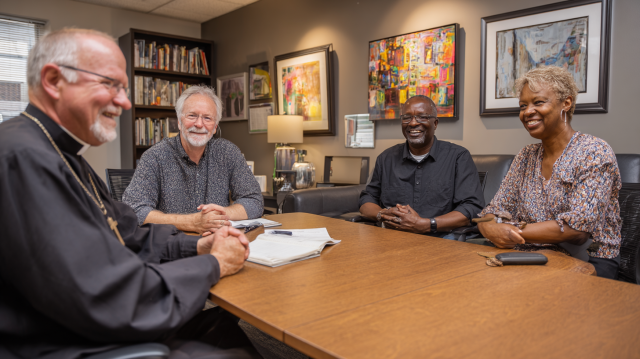
The first task in assembling support is presenting the idea to church leadership; pastors, elders, or governing boards. Their approval is essential, as a safety team operates under the church’s authority and within its faith-based framework. Approach leadership with humility, emphasizing that the team’s purpose is to serve, not to control. Prepare a concise case outlining the need: highlight the range of risks, from medical emergencies to rare violent incidents, and how a team can address them discreetly. Emphasize the most likely scenario, the trip and fall, or other everyday occurrences as this is exactly what we are likely to see in future. We, as Faith Guards, relish the opportunity to serve so simply. For example, my time at the front door of my church is spent every week with a smile, light-hearted topical comments and handshakes a-plenty, often accompanied by laughter as folks walk in. Then I have to opportunity to assist the mobility impaired, and I get repeated heartfelt ‘thank you so much’ responses to my efforts every time. All the while I’m checking who’s coming and going into the parking lot; who’s walking in to church, who has a bag or backpack if any; in other words, I have a welcoming open arm appearance while I stand watch. Inside, mentally I’m standing guard, but outside to everyone else, it’s about an open heart and open doors. Most importantly, it’s not about me, it’s about them; the worshipers, and providing the best experience for them. This is what we have to emphasize to church leadership; service with an open heart and open doors.
Important Side Note: I am also very conscious of not overstepping my welcome to folks walking in. Some like to shake hands, some don’t. I never want to be pushy, so at times I step back a little. Then, when I hear, “You weren’t there by the door!”, registering humorous surprise, I understand these folks welcome my approach. Those that seem oblivious either way may be a bit more, ‘stand-off-ish’, and prefer a little more space, so I may just nod and exchange smiles with them. I let them approach me more than vice versa. It’s about reading the room. I try to cater to everyone as they prefer, while all the time keeping a watchful eye on the comings and goings.
You have to make sure you collectively; the safety team and the church leadership, define the team’s scope. Some may worry a security team could seem militaristic, like the tongue-in-cheek example of, ‘Tactical Ted’, I mentioned previously, which obviously could deter newcomers. Address this by proposing a team that blends into the congregation, acting as greeters or ushers who quietly monitor safety. For larger churches, meaning very large or even the so-called, ‘mega-churches’, a uniformed presence to some degree is advisable. Practically everyone understands the need to have someone there for traffic, or whenever there’s a very large crowd. But smaller and medium sized churches may prefer a discreet team with a ‘mild’ uniform like a sport coat and/or an ID lanyard. Some may even prefer a completely informal, undercover appearance to blend in with everyone there. These are choices best made in cooperation with the church leadership according to what you believe your parishioners would feel most comfortable with.
Suggest starting small, if necessary, perhaps two or three volunteers, to test the concept, depending on the size of your church. Leadership’s buy-in not only legitimizes the team but also encourages congregational support, as their endorsement carries weight. As your team builds, it won’t only be those known to stand watch, but those who can provide a specific skillset such as medical training and qualifications. Also, it could be someone who specializes in looking out for youth, someone to shadow the mobility impaired, or someone to patrol the grounds of a large campus. As you look around, you’ll see there are plenty of opportunities to serve.
Step 2: Rallying Like-Minded Individuals
Once leadership approves, identify individuals within the congregation who share the vision of safety as service. These are the aforementioned “doers”, people with a heart for protecting others, whether they’re ushers, veterans, nurses, or simply dedicated members. Approach them personally, explaining the Faith Guards mission and how their skills or passion can contribute. For example, a retired firefighter might assist with fire safety protocols, while a teacher could help with crowd management during events. Don’t limit your thought process by looking for a relatively narrow range of professionals such as only first responders. Consider those who present a warm, confident and outgoing demeanor regardless of their background.
Faith Guards are guardians of peace, not enforcers.
Recruitment should emphasize humility and service, not authority. Stress that Faith Guards are guardians of peace, not enforcers. Highlight safety roles and not so much security, as there are required qualifications for you to carry the official moniker of ‘security’. We may provide similar roles to a small degree, but we want to emphasize safety as our primary thrust.
If possible, aim for a diverse team reflecting different ages, backgrounds, and skills to meet the differing issues we find. Keep initial recruitment small to maintain focus, aiming for 2–5 members for a small church or up to 10 for larger ones, adjusting based on size and needs, and growing as needed over time and within agreed church guidelines.
Step 3: Gaining Congregational Support
The congregation’s support is vital, as Faith Guards serve the flock directly. Transparency and open communication are keys to quelling fears of a heavy-handed approach. If necessary, host a meeting or simply include a short segment in a service to introduce the concept. Explain the need using everyday relatable examples: a sprained ankle from a cluttered aisle, a lost child during a busy service or special event, or the rare but real threat of disruption or violence. Frame the team as an extension of the church’s care, ensuring everyone can worship in peace. You could use the Faith Guards motto; “Stand watch; stand together”, to emphasize unity and shared responsibility.

Even just talking about any of this, or the concept of evacuating a sanctuary in an emergency could be distressing to some. So take care how you raise these matters. However, we can all experience bad weather, so in the event of a severe thunderstorm passing overhead, for example, talking to the congregation about what to do in the event of inclement weather can be a way of introducing reacting to an emergency or a condition that they may be better able to grasp and come to terms with initially rather than confronting the concept of an attack. You can also mention that appropriately qualified and trained members have been identified and they agreed to help in times of medical need. These two examples may be all you need to do to quell the concerns of church members; bad weather and medical matters. If there’s a question whether someone is there for times of confrontation; maybe their knowing you’ve prepared for emergencies from outside and inside is sufficient for them to connect the dots without alarming them further. You know your parishioners; read the room and go about this gently and with care.
Address concerns head-on. Some may fear a security team will create a fortress-like atmosphere or intimidate visitors. Reassure them that Faith Guards operate discreetly, often as greeters or ushers, with no visible weapons or a stand-off-ish demeanor unless absolutely necessary. Emphasize open doors and open hearts, one of our core principals. Beforehand, gather relevant local and recent stories of other faith communities where safety teams enhanced, not hindered, worship, and be prepared to share that with members. Invite people to give feedback after the service to make congregants feel heard; that they are part of the whole concept of standing together. Be open to discussing any concerns they may have, and have a mechanism whereby anyone can share any worries they may have via email, or a suggestion box if necessary. There are other ways concerns can be passed along, so be open to any requests or suggestions.
Step 4: Building a Culture of Service
As you assemble the team, instill a humble heart in every member, and be sure to present one yourself as an example. Faith Guards are not about power and authority, but about serving fellow worshipers with a smile, if called. Training should include de-escalation techniques, first aid, and customer-service skills to reinforce this mindset. Role-playing scenarios like assisting a lost visitor or calming a tense situation to emphasize compassion over control. Encourage team members to blend into the congregation, perhaps wearing no distinct uniforms, practically anonymous to maintain the church’s warmth. This approach quells fears of heavy-handedness and aligns with the Faith Guards principle of serving silently, stepping forward only when needed.
Step 5: Laying the Groundwork
With support assembled, set the stage for the next steps in the S.A.F.E.T.Y. framework. Assign initial roles, define duties and set expectations to keep everyone on the same page. Schedule regular meetings to refine the team’s vision and plan assessments of the church’s needs, the F in S.A.F.E.T.Y. Later on we’ll document the team’s purpose and guidelines, the E in S.A.F.E.T.Y. ensuring alignment with church policies and local laws. This groundwork ensures the team is ready to move forward cohesively, with a shared commitment to safety and faith.
Addressing Concerns About Heavy-Handedness
Skeptics may worry that a safety team could feel authoritarian or alienate worshipers. These concerns are valid, as places of worship thrive on openness and trust. To counter this, emphasize that Faith Guards are congregants first, protectors second. Their role is to enhance, not redefine, the worship experience. The goal is to be seamless in their efforts, practically invisible. As If nothing ever changed. Additionally, it’s important to be able to switch roles so that one person doesn’t end up always in the same role every time they come to church, possible missing the service every time. This emphasizes a shared responsibility and the fact that they are congregation members first.
We must engage the congregation
This is why we avoid language like, ‘security detail’, in favor of terms like, ‘safety team’, or, ‘Faith Guards.’ We must engage the congregation in the process to dispel fears. Share plans openly, invite volunteers, and highlight vital, non-security roles like medical response or accessibility assistance. By showing that the team serves the community’s needs first, whether helping an elderly member or ensuring clear exits, and simply offering open hearts and arms with a smile, Faith Guards become a natural extension of the church’s mission, an enhancement, not a heavy-handed imposition.
The Power of Shared Support
Assembling support is about more than forming a team; it’s about building a community united in purpose. The Faith Guards principle of sharing across faiths amplifies this. A church in a rural area might learn from a mosque’s urban safety strategies, while a synagogue’s crowd management for holidays could inspire a church’s Easter plans. By connecting with other Faith Guards through platforms like the Faith Guards website, teams can exchange ideas, reinforcing the motto “Stand watch; stand together.” This collaborative spirit ensures that assembling support extends beyond one congregation to strengthen all places of worship.
Conclusion
Assembling a Faith Guards team is a sacred act of stewardship, a calling, a vital ministry rooted in the Faith Guards mission to ensure safe worship for all. By demonstrating the need, through risks ranging from common everyday accidents to the rare and horrible shootings, and justifying it as an extension of care, the team gains legitimacy. Engaging church leadership and the congregation with transparency and humility builds trust, while emphasizing service over authority quells fears of heavy-handedness. As like-minded individuals dedicated in service and with a humble heart come together, trained in compassion and preparedness, they embody the principles of serving silently and standing together. This step, A for Assemble, lays the foundation for a safety team that protects the flock while preserving the sanctity of worship. In the next phase, F for Find, the team will assess vulnerabilities and strengths, turning support into action. For now, take heart in the unity forged through this humble beginning, knowing that together, Faith Guards ensure peace prevails.